
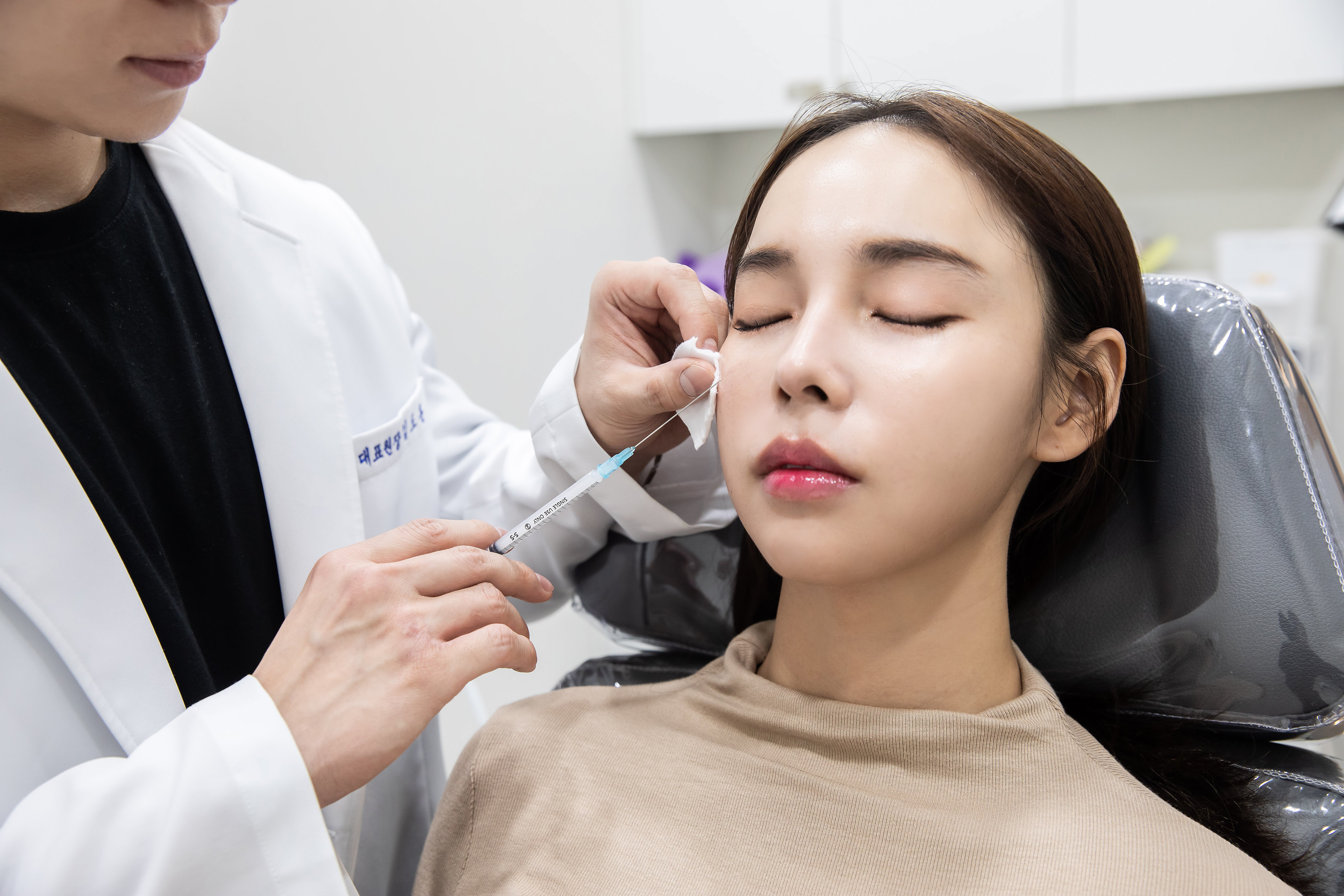
Personalized Consultation for Ultherapy Prime: The Assessment
A personalized consultation helps establish whether Ultherapy Prime aligns with your concerns and current facial condition. At Ode Clinic, the doctor who performs the procedure conducts the consultation directly, rather than leaving treatment selection to a counselor. The discussion can cover areas of sagging, skin condition, facial volume, and the changes you hope to address. The purpose is to make a considered plan—not to assume the same treatment suits every person. This assessment also gives you an opportunity to ask questions and understand the reasoning behind the proposed approach.
Discussing your goals and concerns
Start by describing what has changed and what you would like to improve. You might be concerned about sagging around the cheeks, a softer jawline, or changes near the brows. It is useful to explain which concern matters most to you and whether you have a particular timing in mind. Clear priorities help the doctor distinguish the outcome you are seeking from the procedure itself. A consultation is a conversation about your needs as well as a clinical assessment.
The doctor considers your goals alongside your current condition, rather than treating a requested device as an automatic recommendation. Ultherapy Prime is a focused ultrasound treatment that targets deeper tissue, so the consultation should clarify whether lifting is relevant to your concern. Skin condition, facial volume, and the location of sagging can influence the design. The doctor can discuss how these factors relate to treatment areas and what to expect from the plan. Individual assessment matters because similar concerns can arise from different facial features.
Personalized planning starts by connecting your goals with an assessment of your present condition. A direct consultation with the doctor who performs Ultherapy Prime helps make that connection clear before treatment begins.
Understanding the role of Ultherapy Prime
Ultherapy Prime uses high-intensity focused ultrasound to deliver energy to deeper tissue, including the SMAS layer. The treatment is intended to create a lifting effect through focused energy rather than relying only on surface-level skin tightening. During consultation, the doctor can explain how that mechanism relates to the areas you want assessed. The right question is not simply whether the device is available, but whether its treatment approach fits your particular concern.
For some people, sagging around the cheeks, nasolabial folds, brows, or under the chin may be a central concern. For others, facial volume or skin texture may shape the discussion differently. The doctor assesses the face and considers whether Ultherapy Prime is appropriate, how treatment areas should be planned, and whether expectations are in keeping with what the procedure is designed to do. The consultation is also a chance to distinguish lifting from other types of aesthetic care. A plan should reflect the intended target and your individual anatomy, not rely on a generic assumption about age or appearance. Changes may take time depending on individual condition, so the doctor can discuss the expected course without promising a specific result.
Making space for questions and informed decisions
A useful consultation leaves room for questions about the treatment process, comfort, the areas being considered, and follow-up. You can ask why a particular area is included or how your facial volume affects the design. The doctor can explain the proposed plan in clear terms and address concerns before you decide. Understanding the reason for a recommendation is part of making an informed choice.
You do not need to arrive with a finalized treatment decision. It is enough to know what you would like to discuss and to share relevant concerns openly. If your priorities or timing are uncertain, say so; those details can inform the conversation. The doctor can review the plan with you and clarify which aspects are specific to your facial condition. This approach helps avoid treating a device name as a complete treatment plan. Consultation is the point at which your concerns, clinical assessment, and treatment design are brought together.
Because treatment recommendations should reflect individual needs, it is reasonable to discuss the intended areas and the basis for choosing them before proceeding. A clear explanation can also help you understand what the procedure does not address, so your expectations remain realistic. If the plan needs refinement, that can be discussed before treatment. The aim is a shared understanding of the proposed approach and its limits.

Personalized Consultation for Ultherapy Prime: Designing Treatment
Once your concerns have been discussed, the consultation moves toward treatment design. The doctor considers the areas of concern, your facial condition, and the characteristics of Ultherapy Prime before outlining a plan. At Ode Clinic, consultation and treatment take place in a private room, supporting a focused one-on-one process. The design should be explained in language you can follow, including why specific areas are considered and how the treatment fits your goals. A personalized plan is based on assessment rather than a fixed template.
Connecting facial assessment with treatment areas
Facial concerns are not always evenly distributed. One area may show more sagging, while another may have different volume or skin characteristics. The doctor assesses these differences and discusses which areas may be relevant to Ultherapy Prime. This makes the conversation more specific than choosing a treatment based on a general concern alone. The treatment plan should reflect the features being assessed, not simply repeat a standard pattern.
Ultherapy Prime is designed to deliver focused ultrasound to deeper tissue, with thermal coagulation points intended to produce tissue contraction. The doctor considers how this approach relates to the areas under discussion and adapts the design to your facial condition. For people with limited facial fat, treatment planning also takes care to consider volume and avoid an unsuitable approach. The consultation can clarify what the doctor is targeting and why. It is not a promise that every visible concern will change in the same way. Individual response and condition affect the course of change, so expectations should be discussed as part of the plan.
Good treatment design links the assessed areas to the way Ultherapy Prime works. A clear explanation of the proposed plan helps you understand what is being considered and why it may suit your concerns.
Considering facial volume and balance
Facial volume is one of the factors considered during an Ultherapy Prime consultation. The doctor assesses the areas of concern in relation to the overall facial structure, rather than focusing on sagging in isolation. This is relevant because treatment design needs to account for the individual face and the intended target. Discussing volume helps make the plan more specific to your features.
If you are concerned about a hollow appearance or changes in facial fullness, bring that up directly. The consultation gives the doctor an opportunity to consider that concern alongside any lifting goals and explain how it influences the design. Ultherapy Prime may be planned with attention to areas where lifting is being considered, while taking the individual facial condition into account. The doctor can also explain whether the treatment aligns with your stated priorities. This is a practical reason to avoid selecting a treatment solely from an online description or another person’s experience. Your anatomy and goals are personal, and the plan should be discussed in that context. The conversation should leave you with a clear understanding of which concerns the procedure is intended to address and which may require a different discussion.
Reviewing the treatment plan before proceeding
Before treatment, make sure you understand the areas included and the purpose of the proposed design. Ask the doctor to explain any part that is unclear, including how the plan relates to your goals. You can also raise concerns about comfort or the treatment process. Taking time to review the plan supports a more informed decision.
Ode Clinic’s medical staff have clinical experience with lifting procedures and injectable treatments. The clinic also continues academic activities with the aim of keeping current with medical developments and supporting safe, considered care. These points do not replace an individual assessment; they form part of the clinical setting in which your plan is discussed. The doctor can explain how the treatment design relates to your condition and answer questions before proceeding. It is appropriate to ask for clarification rather than feel pressured to accept a plan immediately. Treatment decisions should follow a clear discussion of your needs, the proposed approach, and realistic expectations.
Where useful, objective before-and-after comparisons using diagnostic images can support discussion of changes over time. Ode Clinic uses two-dimensional and three-dimensional diagnostic imaging as part of its approach to comparison. Images do not replace a clinical conversation, but they can help make observations more concrete. Your doctor can explain how any imaging relates to your treatment and follow-up.

Personalized Consultation for Ultherapy Prime: Preparation and Follow-Up
Preparing for consultation does not require a complicated checklist. A clear sense of your priorities and any questions you want answered is a practical starting point. At Ode Clinic, the doctor discusses the treatment directly with you, and the procedure is carried out in a private room. The consultation also offers a chance to understand follow-up and the possible timing of changes. Good preparation means arriving ready to describe your concerns and ask about the plan—not deciding everything in advance.
What to bring into the conversation
Think about the facial areas that concern you most and how you would describe the change you have noticed. It can help to identify whether your main priority is lifting, facial balance, or another concern. If you have questions about the treatment process, note them beforehand so they can be addressed. Specific questions make it easier to leave with a clear understanding.
Share your expectations honestly, including any preferred timing for treatment or results. The doctor can then discuss whether those priorities fit the treatment approach and how individual condition may affect the course of change. You can ask how the treatment areas are selected, how facial volume is considered, and what follow-up may involve. There is no need to arrive with technical knowledge of the device; the consultation should make the relevant details understandable. If you are unsure whether Ultherapy Prime fits your concern, explain that uncertainty. The doctor can assess your condition and discuss the rationale for the recommendation, helping you make a decision based on your own circumstances.
Before your visit, focus on the concerns you want to discuss and any questions you need answered. Follow-up and image comparison can help keep the conversation grounded in your individual treatment course.
Setting realistic expectations and timing
The timing and degree of visible change can differ by individual condition. Ultherapy Prime is associated with a lifting effect, but a consultation should not be treated as a guarantee of a particular outcome. The doctor can explain what the treatment is intended to address and discuss how changes may develop. Clear expectations are part of responsible treatment planning.
The treatment cycle described for Ultherapy Prime is generally every six to twelve months, with the appropriate timing considered in relation to individual needs. This interval is not a substitute for personal advice; the doctor can discuss what is relevant to your condition and goals. It is also useful to ask when follow-up makes sense and how changes will be reviewed. Ode Clinic’s approach includes thorough follow-up consultations and objective before-and-after comparisons using diagnostic images. These steps can support a measured discussion of progress without assuming that every person will respond identically. If your concerns change after treatment, mention them during follow-up so the doctor can assess them in context.
Planning your visit to Ode Clinic
Ode Clinic is a dermatology clinic in Gangnam, Seoul. The consultation and procedure take place in a private room, and the treatment plan is discussed directly with the doctor who performs the procedure. If you are arranging a visit, contact the clinic to ask about booking and any practical details relevant to your appointment. Addressing questions before the visit can help you use consultation time effectively.
For your appointment, be ready to describe the concerns you want assessed and to discuss the proposed treatment plan. You can ask about the areas being considered, how Ultherapy Prime relates to your goals, and what follow-up may involve. The consultation is intended to support a decision based on your condition, not a one-size-fits-all recommendation. If you prefer to discuss a concern privately, the private-room setting supports an individual conversation. The doctor can clarify the plan and answer questions before you decide whether to proceed.
For a more useful discussion, focus on what matters most to you rather than trying to compare your face with someone else’s outcome. Your facial condition, treatment goals, and expectations are the relevant starting points. Direct consultation allows those factors to be considered together, while follow-up gives you a place to discuss changes over time.


Clinic Information
| Clinic | Ode Clinic |
|---|---|
| Specialty | Dermatology |
| Address | Seoul, Gangnam District, Gangnam-daero, 340 8F |
| Phone | +82 2-569-0222 |
| Website | https://odeclinicseoul.com/en |
 Ode Clinic