
Understanding doctor led Ultherapy Prime
Ultherapy Prime is a high-intensity focused ultrasound treatment used to address facial sagging. It delivers focused energy to deeper tissue, including the superficial muscular aponeurotic system, or SMAS, a supportive layer beneath the skin. At Ode Clinic, the treating doctor discusses the areas of concern and assesses whether this approach fits the patient’s anatomy and goals. A consultation is particularly useful because a desire for lifting, improved skin firmness, or restored volume can point toward different treatment plans.
How focused ultrasound works
Ultherapy delivers focused ultrasound energy to selected depths beneath the skin. The energy creates small areas of thermal coagulation, prompting tissue contraction and a subsequent remodeling response. The treatment is intended for lifting concerns rather than adding volume in the way an injectable filler does. Common areas discussed include the eyebrows, cheeks, jawline, and under the chin. The doctor’s assessment helps determine which areas are appropriate to treat and how to distribute the energy.
It is useful to distinguish the treatment mechanism from a promise of a particular appearance. Tissue contraction can occur after energy delivery, while further changes may take time depending on the individual’s condition. The degree of visible change also depends on factors such as the starting level of sagging and the treatment plan. For a patient concerned about both laxity and a hollow appearance, the doctor can assess those concerns separately rather than treating every facial change as the same problem. Ultherapy does not replace a consultation about facial volume, skin quality, or other causes of a changing contour.
Focused ultrasound addresses deeper tissue, but the treatment plan matters as much as the device being used. A direct discussion with the treating doctor helps establish which concern Ultherapy is intended to address.
Why the doctor’s assessment matters
A doctor-led approach begins before the procedure. At Ode Clinic, the doctor who performs the treatment provides a direct consultation, reviews the patient’s concerns, and discusses the proposed design. Skin condition, facial volume, the location of sagging, and the patient’s priorities all inform that discussion. This is also the time to explain previous aesthetic treatments and ask whether Ultherapy is appropriate for the areas the patient wants to address.
Patients with a lean face may be particularly concerned about a hollow appearance. Facial fat distribution and treatment depth are therefore important topics to discuss when planning ultrasound treatment. The doctor can review the areas where lifting is desired alongside areas where the patient wishes to preserve volume. Treatment is not a uniform pattern applied to every face: the areas and number of treatment shots are considered in relation to the individual assessment. Tell the doctor if preserving facial fullness is one of your priorities. That information helps frame a more useful conversation about the proposed treatment and any alternatives.
Who may consider treatment
Patients who notice sagging around the cheeks, jawline, or under the chin may wish to discuss Ultherapy. It may also be considered for concerns around the eyebrows and eyelids. An assessment is still necessary: the location of a concern does not, by itself, establish that ultrasound is the right treatment. The doctor can explain what the treatment is designed to address and whether the proposed areas fit the patient’s goals.
Ultherapy may be less relevant when the main concern is a loss of volume rather than sagging. Likewise, a patient seeking a change in skin texture may want to discuss treatments with a different purpose. Ode Clinic offers lifting and tightening treatments as well as injectable volume treatments and skin boosters. During consultation, the doctor can compare the options without assuming that one device addresses every concern.
| Primary concern | Discussion with the doctor |
|---|---|
| Facial sagging | Whether focused ultrasound is appropriate for the areas of concern |
| Skin firmness | Whether a radiofrequency tightening treatment fits the goal |
| Loss of facial volume | Whether an injectable volume treatment should be considered |
The most helpful starting point is to describe the change you have noticed rather than choosing a device solely by name. For example, explain whether your concern is a softer jawline, a change in cheek position, or a loss of fullness. The doctor can then explain what each treatment is intended to do. A personalized recommendation should account for your goals, facial anatomy, expected timing of changes, cost, and possible treatment reactions.
Planning doctor led Ultherapy Prime at Ode Clinic
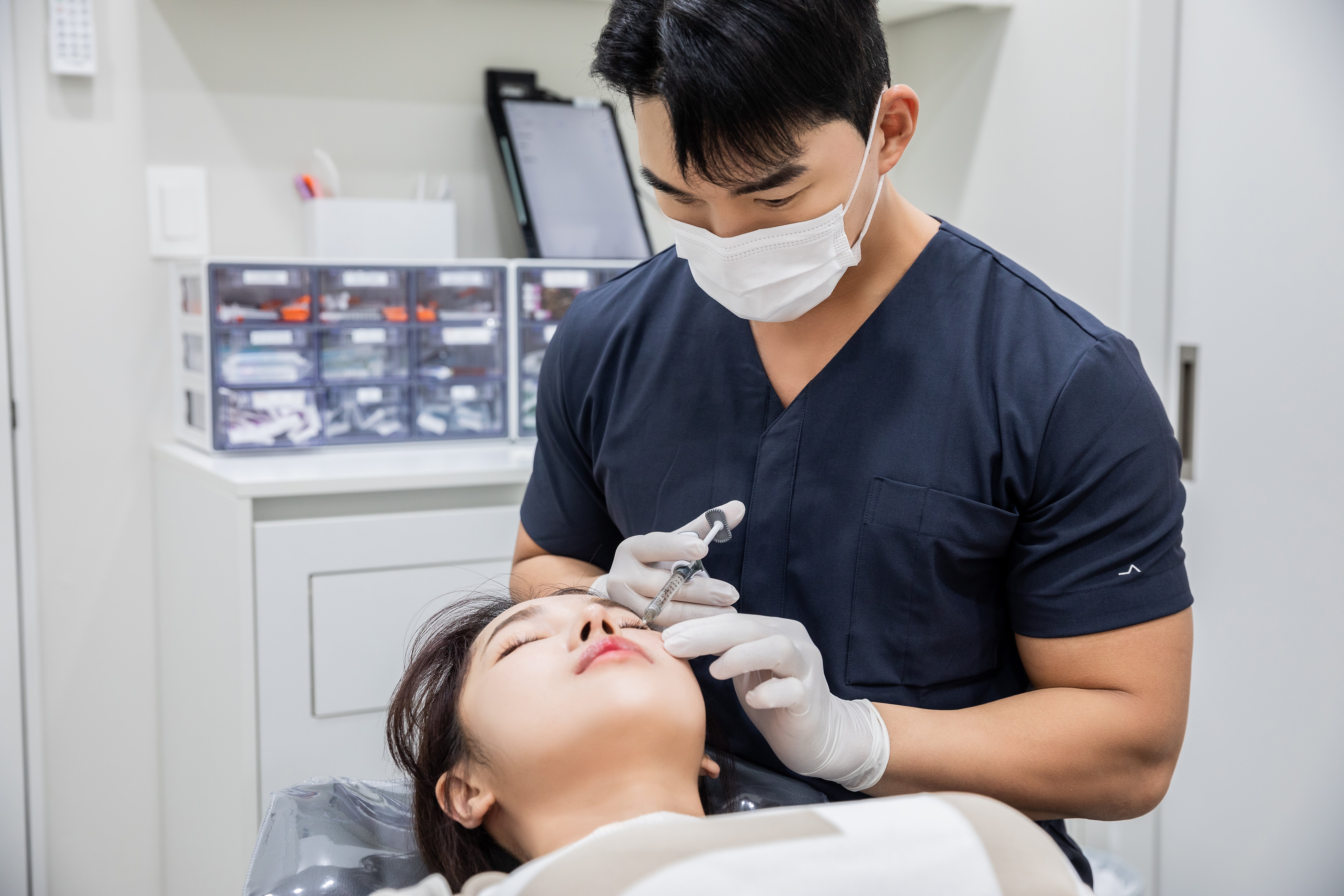
At Ode Clinic, treatment planning starts with a direct consultation with the doctor who performs the procedure. The discussion covers the patient’s concerns and the proposed treatment design, followed by an opportunity to revisit the plan before treatment. Procedures take place in a private room, with care tailored to the patient afterward. This process gives patients an opportunity to understand the proposed approach and ask questions before deciding whether to proceed.
What to discuss at consultation
Bring a clear description of the areas you would like to address and any concerns about discomfort or facial volume. It is also sensible to tell the doctor about your medical history, medicines, previous procedures, and any current skin concerns. The doctor can use that information to assess suitability and discuss the treatment plan. Ask how the proposed areas and shot count relate to your goals rather than comparing shot counts alone.
Consultation is also the time to set expectations. Ask which changes the doctor expects the treatment to target, when changes may become noticeable, and how progress will be reviewed. If you are considering more than one procedure, ask about the purpose and timing of each rather than assuming they all work in the same way. Ode Clinic considers patient needs, the timing and duration of effects, cost, and potential side effects when discussing recommendations. A useful plan should make clear what will be treated and why. If any part of the proposal is unclear, ask the doctor to explain it before you decide.
A consultation is not simply a step before treatment; it is where the goal and treatment design are established. Use it to discuss facial volume, comfort, cost, and the alternatives that address your particular concerns.
Comfort during the procedure
Focused ultrasound can cause discomfort as energy is delivered, and the experience differs from person to person. Ode Clinic offers nitrous oxide sedation as a comfort option for Ultherapy rather than sleep anesthesia. Discuss any concerns with the doctor before treatment, including your medical history and whether a comfort option is appropriate for you. The doctor can explain the procedure and respond to your feedback during the visit.
Comfort is an individual consideration, so it is better to ask how the treatment will be managed than to assume it will feel the same for everyone. Explain if you are particularly sensitive to discomfort or have concerns about sedation. The doctor can discuss the available approach and what to expect during the session. If you feel uncomfortable during treatment, communicate that promptly to the medical staff. The aim of this conversation is to help you make an informed decision, not to promise that the procedure will be pain-free. Your consultation should also cover practical instructions for the day of treatment and any care recommended afterward.
Cost and treatment design
Ode Clinic lists Ultherapy Prime at ₩350,000 for 100 shots, excluding value-added tax. The proposed shot count depends on the treatment design, so the listed amount should not be assumed to represent the total for every patient. Ask for a breakdown of the recommended plan and its total cost before proceeding. If another treatment is discussed, its purpose and pricing should be considered separately.
Shot count is one part of a treatment plan, not a complete description of it. The areas selected, distribution of energy, and individual anatomy are also relevant to the doctor’s assessment. When reviewing a quote, ask which areas are included and whether the plan reflects your stated priorities. This makes the price more meaningful and helps you compare it with the treatment you are actually considering.
Patients can also ask about the expected interval before any repeat treatment. Ode Clinic describes an Ultherapy treatment cycle of approximately six to twelve months, but the appropriate timing depends on the individual and the doctor’s assessment. A repeat session should not be treated as automatic. Review the changes, your goals, and any concerns with the doctor before deciding on further treatment.

Comparing and reviewing doctor led Ultherapy Prime
Ultherapy is one option among treatments with different mechanisms and purposes. Focused ultrasound is used for lifting concerns, while radiofrequency treatments such as Thermage FLX are generally discussed in relation to skin tightening and firmness. Ode Clinic also offers injectable treatments for volume and skin boosters for skin quality. The right discussion starts with the concern being addressed, not with an assumption that the treatments are interchangeable.
Lifting, tightening, and volume
Ultherapy and Thermage use different forms of energy. Ultherapy uses focused ultrasound to target deeper tissue, while Thermage FLX uses radiofrequency energy to heat the dermis and support collagen remodeling. A patient whose main concern is sagging may have a different treatment discussion from someone primarily concerned about skin firmness or texture. The doctor can explain how these distinctions apply to the patient’s face and priorities.
Volume treatments serve another purpose. For example, Juvelook Volume is an injectable treatment used to support collagen synthesis in areas where volume is a concern. It is not the same procedure as ultrasound lifting, and its suitability depends on an individual assessment. Skin boosters such as Re2O address skin-related concerns through an injectable approach. Some patients may discuss more than one treatment, but combining procedures is not automatically necessary. The doctor’s role is to explain the purpose of each proposed treatment and whether it addresses a concern you have identified. Ask about the sequence, expected changes, and possible reactions before agreeing to a combined plan.
Lifting, tightening, and volume restoration address different aspects of facial change. Comparing their purposes with your doctor is more informative than choosing a treatment by name alone.
Points to consider before treatment
Before proceeding, discuss potential reactions and any circumstances that could affect treatment suitability. Temporary redness, swelling, or tenderness can occur after ultrasound treatment; less common complications can also occur. Tell the doctor about existing medical conditions, previous procedures, and any symptoms or skin changes in the intended treatment area. Ask what reactions to expect and when to contact the clinic if a concern arises.
The doctor can also explain how the treatment plan takes your facial anatomy into account. This is especially relevant if you are concerned about facial fullness or have previously undergone aesthetic procedures. Changes may take time depending on individual condition, and the extent of visible change cannot be predicted precisely. If your goal involves a substantial change in contour, ask the doctor what the proposed treatment can reasonably address. Following the medical staff’s individualized aftercare instructions and reporting unexpected or persistent symptoms are practical parts of the treatment process. Do not hesitate to ask for clarification before treatment begins.
Reviewing changes and follow-up
Ode Clinic uses diagnostic photographs, including two-dimensional and three-dimensional imaging, for before-and-after comparisons. Follow-up consultations provide an opportunity to review changes with the doctor and discuss any remaining concerns. Photographs can make the discussion more concrete, particularly when changes develop gradually. The doctor can also consider whether the original treatment goal has changed or whether another approach deserves discussion.
Results and their duration differ among individuals. Ode Clinic describes Ultherapy effects as lasting approximately six to twelve months, but that timeframe is not a guarantee for a particular patient. When considering follow-up, review both what has changed and what you still want to address. A further treatment decision should reflect the current assessment rather than relying only on the original plan.
For patients exploring facial lifting in Seoul, a useful next step is to arrange a consultation and bring questions about the treatment design, comfort, pricing, and follow-up. Ode Clinic’s medical staff can discuss Ultherapy alongside the clinic’s other lifting, tightening, and volume options. This allows the decision to remain focused on the patient’s priorities and on what each procedure is intended to address.



Frequently Asked Questions
Q.What does Ode Clinic offer?
A.Ode Clinic is a dermatology clinic in Seoul offering lifting and tightening treatments, injectable volume treatments, skin boosters, and body programs. The treating doctor provides a direct consultation to discuss the patient’s concerns and treatment options.
Q.Who might consider Ultherapy at Ode Clinic?
A.Patients concerned about sagging around the cheeks, jawline, eyebrows, or under the chin may wish to discuss Ultherapy. The doctor assesses the individual’s anatomy and goals before recommending a treatment plan.
Q.How is Ultherapy treatment planned?
A.The treating doctor reviews the areas of concern, facial volume, and the proposed treatment design during consultation. The plan may also include a discussion of alternatives such as radiofrequency tightening or injectable volume treatments.
Q.How much does Ultherapy Prime cost?
A.The listed price is ₩350,000 for 100 shots, excluding value-added tax. The total depends on the shot count and treatment plan discussed with the doctor.
Q.Where is Ode Clinic, and how can I arrange a consultation?
A.Ode Clinic is at 340 Gangnam-daero, 8F, Gangnam District, Seoul. To ask about a consultation, call +82 2-569-0222.
Clinic Information
| Clinic | Ode Clinic |
|---|---|
| Specialty | Dermatology |
| Address | Seoul, Gangnam District, Gangnam-daero, 340 8F |
| Phone | +82 2-569-0222 |
| Website | https://odeclinicseoul.com/en |
 Ode Clinic